

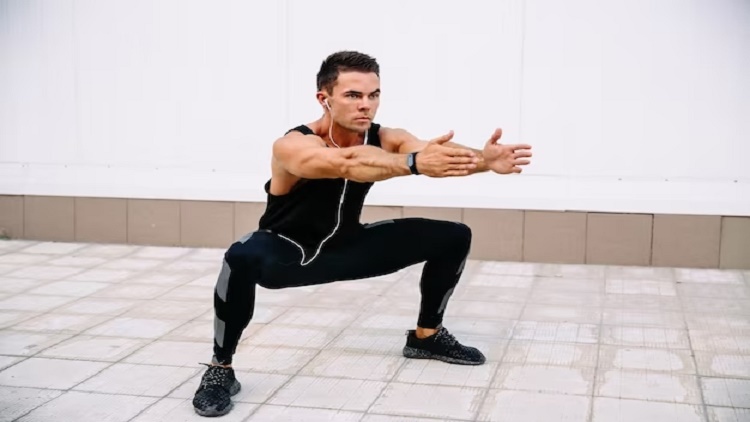
Standing Stability Ball Rollouts are a fun exercise for your abs. You use a big ball and roll it out slowly while standing, which makes your tummy muscles work hard to stay balanced and strong.In a world where time is of the essence, finding efficient ways to work out becomes paramount. Core Strength and Stability Exercises offer a practical solution for those seeking to strengthen their core without specialized equipment or excessive time commitments. Whether you’re a fitness enthusiast looking to diversify your routine or a newcomer to the world of exercise, these standing ab exercises cater to all fitness levels.
Table of Contents:
- High Knee Marches
- Standing Oblique Crunches
- Standing Bicycle Crunches
- Woodchoppers
- Standing Leg Raises
- Standing Knee to Elbow Crunches
- Standing Side Crunches
- Standing Mountain Climbers
- Standing Russian Twists
- Standing Side Leg Raises
- Standing Torso Rotations
- Standing Plank
- Standing Reverse Crunches
- Standing Knee Raises with Rotation
- Standing Leg Circles
- Standing Cross Body Crunches
- Standing Stability Ball Rollouts
- Overview
1. High Knee Marches — Core Strength and Stability Exercises
Description:
High Knee Marches are a dynamic standing abs exercise that engages the core muscles while simultaneously improving balance and coordination. This exercise involves lifting your knees towards your chest alternately in a controlled manner, creating a marching-like motion.
How to Perform:
- Begin by standing with your feet hip-width apart and your arms hanging naturally by your sides.
- Lift your right knee towards your chest, aiming to bring it as close to your chest as comfortably possible.
- As you lift your knee, simultaneously swing your left arm forward in a natural and coordinated motion.
- Lower your right leg back down to the ground in a controlled manner.
- Repeat the motion with your left knee, this time swinging your right arm forward.
Tips:
- Focus on maintaining a straight posture throughout the exercise, avoiding any excessive leaning or hunching.
- Engage your core muscles as you lift your knee to help stabilize your body.
- Keep the movement controlled and deliberate to maximize the engagement of your core.
Benefits:
High Knee Marches are an excellent exercise for engaging the entire core, including the rectus abdominis, obliques, and transverse abdominis. Additionally, this exercise promotes coordination between the upper and lower body, enhancing overall balance and stability. It also increases heart rate, providing a cardiovascular benefit.
Variations: To intensify the exercise, you can increase the speed of the marches or add resistance by holding light dumbbells. Alternatively, performing High Knee Marches on an unstable surface, like a balance pad, can further challenge your core stability.
Precautions: If you have any existing knee or hip issues, it’s advisable to perform this exercise at a controlled pace and within a comfortable range of motion to avoid any discomfort or strain.
Incorporating High Knee Marches into your fitness routine is a dynamic way to target your core while simultaneously improving coordination and balance. This exercise is accessible to individuals of various fitness levels and can be modified to suit individual needs and preferences.
2. Standing Oblique Crunches
Description — Core Strength and Stability Exercises:
Standing Oblique Crunches are a powerful exercise that specifically targets the oblique muscles, which run along the sides of your torso. This exercise involves a controlled movement that brings your knee towards your elbow, effectively engaging the obliques.
How to Perform:
- Stand with your feet shoulder-width apart and your hands gently placed behind your head, elbows out to the sides.
- Lift your right knee towards your right elbow, aiming to bring them as close together as comfortably possible.
- As you lift your knee, engage your oblique muscles on the right side of your torso.
- Return to the starting position and switch to the left side, bringing your left knee towards your left elbow.
Tips:
- Maintain a tall and upright posture throughout the exercise, avoiding any leaning or twisting of the upper body.
- Focus on the engagement of your oblique muscles as you lift your knee towards your elbow.
- Breathe steadily and rhythmically to maintain a controlled pace.
Benefits:
Standing Oblique Crunches effectively isolate and strengthen the oblique muscles. By targeting these muscles, you enhance the stability and appearance of your midsection, creating a more sculpted waistline. Additionally, this exercise aids in improving overall core strength and stability.
Variations: To intensify this exercise, you can incorporate a twist at the top of the movement, bringing your elbow closer towards your knee. Additionally, holding a light dumbbell or adding resistance can further challenge your oblique muscles.
Precautions: Individuals with lower back issues should perform this exercise with caution. It’s essential to maintain controlled movements and avoid any excessive twisting or arching of the back.
Incorporating Standing Oblique Crunches into your fitness routine is a targeted way to strengthen the sides of your torso, contributing to a balanced and well-defined core. This exercise is suitable for individuals of various fitness levels and can be adjusted to accommodate specific needs and preferences.

3. Standing Bicycle Crunches
Description:
Standing Bicycle Crunches offer a dynamic and effective way to engage both your abdominal muscles and obliques. This exercise mimics the motion of a traditional bicycle crunch, but in a standing position, providing a unique challenge to your core.
How to Perform:
- Begin in a standing position with your feet hip-width apart and your hands gently placed behind your head, elbows out to the sides.
- Lift your right knee towards your chest while simultaneously twisting your torso to bring your left elbow towards your knee.
- Engage your abdominal muscles as you perform this twisting motion, aiming to touch your elbow to your knee.
- Return to the starting position and switch to the opposite side, lifting your left knee towards your chest and bringing your right elbow towards it.
Tips:
- Maintain a steady and controlled pace throughout the exercise to maximize engagement of your core.
- Focus on the rotation of your torso and the crunching motion, ensuring that your elbow and knee come close together.
- Keep your breathing steady and controlled, exhaling as you perform the crunch.
Benefits:
Standing Bicycle Crunches are highly effective for engaging both the rectus abdominis and oblique muscles. This exercise promotes a well-rounded core workout while also enhancing coordination and balance.
Variations: To increase the intensity of this exercise, you can perform it at a faster pace, adding a cardiovascular component. Additionally, holding a light dumbbell or incorporating ankle weights can provide additional resistance.
Precautions: Individuals with lower back issues should approach this exercise with caution. It’s crucial to maintain proper form and avoid any excessive twisting or arching of the back.
Incorporating Standing Bicycle Crunches into your fitness routine is a dynamic way to target your core and oblique muscles while simultaneously improving coordination and balance. This exercise is accessible to individuals of various fitness levels and can be modified to suit individual needs and preferences.
4. Woodchoppers
Description:
Woodchoppers are a dynamic standing abs exercise that incorporates a twisting motion, effectively engaging the core, particularly the oblique muscles. This exercise is named after the motion of chopping wood, making it an apt analogy for the movement involved.
How to Perform:
- Hold a dumbbell or medicine ball with both hands, standing with your feet shoulder-width apart.
- Start with your arms extended over your right shoulder.
- Engage your core and twist your torso to the left, lowering the weight towards your left hip in a controlled motion.
- Return to the starting position and repeat the movement on the opposite side.
Tips:
- Maintain a firm grip on the dumbbell or medicine ball throughout the exercise.
- Keep your arms relatively straight, allowing the movement to be primarily driven by your core.
- Focus on the controlled twisting motion, avoiding any sudden or jerky movements.
Benefits:
Woodchoppers are highly effective for targeting the oblique muscles and promoting rotational core strength. This exercise simulates real-world movements involving twisting and reaching, making it particularly beneficial for functional fitness.
Variations: To intensify this exercise, you can increase the weight of the dumbbell or medicine ball. Additionally, performing the movement at a slower pace with a focus on controlled eccentric (lowering) and concentric (lifting) phases can further challenge your core.
Precautions: Individuals with lower back issues should approach this exercise with caution. It’s essential to maintain proper form and avoid using excessively heavy weights, especially if it compromises your stability.
Incorporating Woodchoppers into your fitness routine is an effective way to target the oblique muscles and enhance rotational core strength. This exercise is accessible to individuals of various fitness levels and can be adjusted to accommodate specific needs and preferences.
5. Standing Leg Raises — Core Strength and Stability Exercises
Description:
Standing Leg Raises are a dynamic standing abs exercise that primarily targets the lower abdominal muscles. This exercise involves lifting one leg at a time, engaging the lower abs to stabilize and control the movement.
How to Perform:
- Stand with your feet hip-width apart, arms hanging naturally by your sides.
- Lift your right leg straight in front of you, keeping it parallel to the ground.
- Engage your lower abdominal muscles to control the movement.
- Lower your right leg back down to the ground in a controlled manner.
- Repeat the movement with your left leg.
Tips:
- Maintain an upright posture and avoid leaning forward or backward during the exercise.
- Engage your core throughout the movement to stabilize your body.
- Keep your movements controlled and deliberate, avoiding any jerky motions.
Benefits:
Standing Leg Raises are highly effective for isolating and strengthening the lower abdominal muscles. This exercise helps create a more defined and sculpted lower abdomen while also enhancing overall core stability.
Variations: To increase the intensity of this exercise, you can add ankle weights or use a resistance band around your ankles. Additionally, performing the movement at a slower pace can further engage the lower abs.
Precautions: Individuals with lower back issues should approach this exercise with caution. It’s important to maintain proper form and perform the movement within a comfortable range of motion.
Incorporating Standing Leg Raises into your fitness routine is an effective way to target the lower abdominal muscles and improve overall core strength and stability. This exercise is accessible to individuals of various fitness levels and can be modified to suit individual needs and preferences.
6. Standing Knee to Elbow Crunches
Description:
Standing Knee to Elbow Crunches are a dynamic standing abs exercise that combines a knee lift with a torso twist, engaging both the core and the oblique muscles. This exercise replicates the motion of a traditional crunch, but in a standing position.
How to Perform:
- Stand with your feet shoulder-width apart and your hands gently placed behind your head, elbows out to the sides.
- Lift your right knee towards your chest while simultaneously bringing your left elbow down to meet it, aiming to touch or get as close as comfortably possible.
- Engage your oblique muscles as you perform this twisting and crunching motion.
- Return to the starting position and switch to the opposite side, lifting your left knee and bringing your right elbow towards it.
Tips:
- Keep your movements controlled and deliberate, focusing on the engagement of your core and obliques.
- Maintain a steady and controlled pace, avoiding any jerky or rushed motions.
- Breathe rhythmically throughout the exercise to help maintain a steady pace.
Benefits:
Standing Knee to Elbow Crunches effectively target the rectus abdominis, obliques, and transverse abdominis. This exercise promotes a comprehensive core workout while also enhancing coordination and balance.
Variations: To increase the intensity of this exercise, you can incorporate a twist at the top of the movement, bringing your elbow closer towards your knee. Additionally, holding a light dumbbell or adding resistance can further challenge your core and obliques.
Precautions: Individuals with lower back issues should approach this exercise with caution. It’s crucial to maintain proper form and avoid any excessive twisting or arching of the back.
Incorporating Standing Knee to Elbow Crunches into your fitness routine is a dynamic way to target your core and oblique muscles while simultaneously improving coordination and balance. This exercise is accessible to individuals of various fitness levels and can be modified to suit individual needs and preferences.
7. Standing Side Crunches
Description:
Standing Side Crunches are a targeted standing abs exercise that emphasizes the oblique muscles, providing a lateral contraction of the core. This exercise mimics the motion of a traditional side crunch, but in a standing position.
How to Perform — Core Strength and Stability Exercises:
- Stand with your feet shoulder-width apart and your hands gently placed behind your head, elbows out to the sides.
- Lift your right knee towards your right elbow while simultaneously tilting your torso towards the right side, creating a lateral crunching motion.
- Engage your oblique muscles as you perform this crunching motion.
- Return to the starting position and switch to the opposite side, lifting your left knee and crunching towards the left.

Tips:
- Maintain a steady and controlled pace, focusing on the engagement of your oblique muscles.
- Keep your movements within a comfortable range of motion to avoid any strain or discomfort.
- Breathe rhythmically to maintain a steady pace and to assist with muscle engagement.
Benefits:
Standing Side Crunches are highly effective for targeting the oblique muscles, creating a more sculpted and defined waistline. This exercise also enhances overall core strength and stability.
Variations: To intensify this exercise, you can incorporate a twist at the top of the movement, bringing your elbow closer towards your knee. Additionally, holding a light dumbbell or adding resistance can further challenge your obliques.
Precautions: Individuals with lower back issues should approach this exercise with caution. It’s essential to maintain proper form and perform the movement within a comfortable range of motion.
Incorporating Standing Side Crunches into your fitness routine is a targeted way to strengthen the oblique muscles and create a more sculpted waistline. This exercise is suitable for individuals of various fitness levels and can be adjusted to accommodate specific needs and preferences.
8. Standing Mountain Climbers
Description:
Standing Mountain Climbers are a dynamic standing abs exercise that mimics the motion of traditional mountain climbers, providing an intense cardiovascular and core-strengthening workout. This exercise engages the entire core and promotes a high level of coordination and balance.
How to Perform:
- Stand with your feet hip-width apart and your arms hanging naturally by your sides.
- Lift your right knee towards your chest while simultaneously bringing your left elbow towards it, simulating a climbing motion.
- Alternate the movement rapidly, switching legs and arms in a controlled and dynamic manner.
Tips:
- Keep a brisk pace to maximize the cardiovascular benefits of the exercise.
- Engage your core throughout the movement to stabilize your body and maintain balance.
- Maintain a controlled and rhythmical breathing pattern to synchronize with the motion.
Benefits:
Standing Mountain Climbers are highly effective for engaging the entire core, including the rectus abdominis, obliques, and transverse abdominis. This exercise also provides a significant cardiovascular benefit, helping to increase heart rate and improve overall cardiovascular fitness.
Variations: To intensify this exercise, you can increase the speed of the mountain climbers or add resistance by wearing a weighted vest. Additionally, incorporating a twist at the top of the movement can further engage the oblique muscles.
Precautions: Individuals with wrist or shoulder issues should approach this exercise with caution. It’s crucial to maintain proper form and to perform the movement within a comfortable range of motion.
Incorporating Standing Mountain Climbers into your fitness routine is a dynamic way to engage the entire core and boost cardiovascular fitness. This exercise is accessible to individuals of various fitness levels and can be adjusted to accommodate specific needs and preferences.
9. Standing Russian Twists — Core Strength and Stability Exercises
Description:
Standing Russian Twists are a dynamic standing abs exercise that focuses on rotational movements, engaging the oblique muscles and promoting core stability. This exercise replicates the motion of a traditional Russian twist, but in a standing position.
How to Perform:
- Stand with your feet shoulder-width apart, holding a dumbbell or medicine ball at chest level.
- Engage your core and twist your torso to the right, lowering the weight towards your right hip.
- Return to the starting position and repeat the movement on the left side.
Tips:
- Maintain a steady and controlled pace, focusing on the engagement of your oblique muscles.
- Keep your arms relatively straight, allowing the movement to be primarily driven by your core.
- Breathe rhythmically to maintain a steady pace and to assist with muscle engagement.
Benefits:
Standing Russian Twists effectively target the oblique muscles and promote rotational core strength. This exercise also improves coordination and balance, making it valuable for functional fitness.
Variations: To increase the intensity of this exercise, you can use a heavier dumbbell or medicine ball. Additionally, performing the movement at a slower pace with a focus on controlled eccentric (lowering) and concentric (lifting) phases can further challenge your core.
Precautions: Individuals with lower back issues should approach this exercise with caution. It’s essential to maintain proper form and avoid using excessively heavy weights, especially if it compromises your stability.
Incorporating Standing Russian Twists into your fitness routine is an effective way to target the oblique muscles and enhance rotational core strength. This exercise is accessible to individuals of various fitness levels and can be adjusted to accommodate specific needs and preferences.
10. Standing Side Leg Raises
Description:
Standing Side Leg Raises are a dynamic standing abs exercise that focuses on the hip abductors, engaging the oblique muscles and enhancing hip stability. This exercise involves lifting one leg at a time to the side, creating a lateral motion.
How to Perform:
- Stand with your feet hip-width apart and your hands gently placed on your hips for balance.
- Lift your right leg straight out to the side, keeping it parallel to the ground.
- Engage your oblique muscles to control the movement.
- Lower your right leg back down to the ground in a controlled manner.
- Repeat the movement with your left leg.
Tips:
- Maintain an upright posture and avoid leaning to the opposite side during the exercise.
- Engage your core and focus on the controlled motion of lifting and lowering your leg.
- Keep your movements within a comfortable range of motion to avoid any strain or discomfort.
Benefits:
Standing Side Leg Raises effectively target the hip abductors, specifically the muscles on the side of your hip. This exercise helps enhance hip stability, which is crucial for activities that require lateral movements.
Variations: To increase the intensity of this exercise, you can add ankle weights or use a resistance band around your ankles. Additionally, performing the movement at a slower pace can further engage the hip abductors.
Precautions: Individuals with hip or knee issues should approach this exercise with caution. It’s important to maintain proper form and perform the movement within a comfortable range of motion.
Incorporating Standing Side Leg Raises into your fitness routine is an effective way to target the hip abductors and improve hip stability. This exercise is accessible to individuals of various fitness levels and can be modified to suit individual needs and preferences.
11. Standing Torso Rotations
Description:
Standing Torso Rotations are a dynamic standing abs exercise that focuses on rotational movements, engaging the oblique muscles and promoting core flexibility and stability. This exercise involves controlled twists of the torso from side to side.
How to Perform:
- Stand with your feet shoulder-width apart, keeping your arms extended straight out in front of you.
- Engage your core and slowly twist your torso to the right, allowing your arms to follow the movement.
- Return to the starting position and repeat the movement, this time twisting to the left.
Tips — Core Strength and Stability Exercises:
- Maintain a steady and controlled pace, focusing on the engagement of your oblique muscles.
- Keep your arms extended and in line with your shoulders throughout the exercise.
- Breathe rhythmically to maintain a steady pace and to assist with muscle engagement.
Benefits:
Standing Torso Rotations effectively target the oblique muscles and promote rotational core strength and flexibility. This exercise also improves overall coordination and balance, contributing to functional fitness.
Variations: To increase the intensity of this exercise, you can use a resistance band or hold a light dumbbell to add resistance to the rotation. Additionally, performing the movement at a slower pace with a focus on controlled eccentric (lowering) and concentric (lifting) phases can further challenge your core.
Precautions: Individuals with lower back issues should approach this exercise with caution. It’s essential to maintain proper form and avoid any excessive twisting or arching of the back.
Incorporating Standing Torso Rotations into your fitness routine is an effective way to target the oblique muscles and enhance rotational core strength and flexibility. This exercise is accessible to individuals of various fitness levels and can be adjusted to accommodate specific needs and preferences.
12. Standing Plank — Core Strength and Stability Exercises
Description:
The Standing Plank is a dynamic standing abs exercise that challenges your core stability and engages multiple muscle groups simultaneously. While it doesn’t involve the traditional “plank” position on the ground, it provides a unique way to target your core while standing upright.
How to Perform:
- Stand with your feet shoulder-width apart, arms extended straight out in front of you.
- Engage your core and maintain a straight line from your head to your heels, similar to the plank position on the ground.
- Hold this position for the desired duration, focusing on maintaining a strong core and stable posture.
Tips:
- Keep your core engaged throughout the exercise to maintain stability and prevent arching or rounding of the back.
- Avoid leaning forward or backward; your body should remain in a straight line.
- Breathe steadily and rhythmically to help maintain control and focus.
Benefits:
The Standing Plank effectively engages the entire core, including the rectus abdominis, obliques, and transverse abdominis. Additionally, it promotes overall body stability, improving posture and balance.
Variations: To increase the intensity of this exercise, you can add resistance by holding a light dumbbell or using a resistance band. Additionally, performing the standing plank on an unstable surface, like a balance pad, can further challenge your core stability.
Precautions: Individuals with lower back or balance issues should approach this exercise with caution. It’s important to maintain proper form and perform the movement within a comfortable range.
Incorporating the Standing Plank into your fitness routine is an effective way to engage your core and enhance overall body stability. This exercise is accessible to individuals of various fitness levels and can be modified to suit individual needs and preferences.
13. Standing Reverse Crunches
Description:
Standing Reverse Crunches are a dynamic standing abs exercise that targets the lower abdominal muscles. This exercise involves lifting your knees towards your chest while standing, creating a reverse crunching motion.
How to Perform:
- Stand with your feet shoulder-width apart and your hands gently placed behind your head, elbows out to the sides.
- Lift your right knee towards your chest while simultaneously crunching your torso forward, aiming to bring your knee as close to your chest as comfortably possible.
- Return to the starting position and switch to the left side, lifting your left knee towards your chest in a controlled manner.
Tips:
- Focus on the engagement of your lower abdominal muscles as you lift your knees towards your chest.
- Maintain an upright posture and avoid any excessive leaning or hunching of the upper body.
- Breathe steadily and rhythmically to maintain a controlled pace.
Benefits:
Standing Reverse Crunches are highly effective for isolating and strengthening the lower abdominal muscles. This exercise helps create a more defined and sculpted lower abdomen while also enhancing overall core stability.
Variations: To increase the intensity of this exercise, you can add ankle weights or use a resistance band around your ankles. Additionally, performing the movement at a slower pace can further engage the lower abs.
Precautions: Individuals with lower back issues should approach this exercise with caution. It’s important to maintain proper form and perform the movement within a comfortable range of motion.
Incorporating Standing Reverse Crunches into your fitness routine is an effective way to target the lower abdominal muscles and improve overall core strength and stability. This exercise is accessible to individuals of various fitness levels and can be modified to suit individual needs and preferences.
14. Standing Knee Raises with Rotation
Description:
Standing Knee Raises with Rotation are a dynamic standing abs exercise that combines knee raises with a twisting motion, engaging both the core and the oblique muscles. This exercise provides a comprehensive workout for the entire core.
How to Perform — Core Strength and Stability Exercises:
- Stand with your feet shoulder-width apart and your hands gently placed behind your head, elbows out to the sides.
- Lift your right knee towards your chest while simultaneously twisting your torso to bring your left elbow towards your knee.
- Engage your oblique muscles as you perform this twisting and knee-raising motion.
- Return to the starting position and switch to the opposite side, lifting your left knee and bringing your right elbow towards it.
Tips:
- Maintain a steady and controlled pace, focusing on the engagement of your core and obliques.
- Keep your movements within a comfortable range of motion to avoid any strain or discomfort.
- Breathe rhythmically to maintain a steady pace and to assist with muscle engagement.
Benefits:
Standing Knee Raises with Rotation effectively target the rectus abdominis, obliques, and transverse abdominis. This exercise provides a well-rounded core workout while also enhancing coordination and balance.
Variations: To intensify this exercise, you can incorporate a deeper twist at the top of the movement, bringing your elbow closer towards your knee. Additionally, holding a light dumbbell or adding resistance can further challenge your core and obliques.
Precautions: Individuals with lower back issues should approach this exercise with caution. It’s crucial to maintain proper form and avoid any excessive twisting or arching of the back.
Incorporating Standing Knee Raises with Rotation into your fitness routine is a dynamic way to target your core and oblique muscles while simultaneously improving coordination and balance. This exercise is accessible to individuals of various fitness levels and can be modified to suit individual needs and preferences.
15. Standing Leg Circles — Core Strength and Stability Exercises
Description:
Standing Leg Circles are a dynamic standing abs exercise that engages the core, particularly the lower abdominal muscles, while also promoting hip mobility and stability. This exercise involves performing controlled circles with one leg at a time.
How to Perform:
- Stand with your feet hip-width apart and your arms extended out to the sides for balance.
- Lift your right leg slightly off the ground, keeping it straight.
- Begin to draw small circles in a clockwise motion with your right foot, maintaining control over the movement.
- After a set number of circles, reverse the motion to perform counterclockwise circles.
- Lower your right leg and switch to the left leg to complete the exercise.
Tips:
- Engage your core to stabilize your body throughout the exercise.
- Keep your movements controlled and deliberate, focusing on maintaining a consistent circle size.
- Breathe steadily to maintain a controlled pace.
Benefits:
Standing Leg Circles effectively target the lower abdominal muscles while also engaging the hip flexors and stabilizing muscles. This exercise improves hip mobility and enhances core stability, contributing to overall functional fitness.
Variations: To increase the intensity of this exercise, you can use ankle weights or a resistance band around your ankles. Additionally, performing the circles at a slower pace can further engage the core and hip muscles.
Precautions: Individuals with hip or knee issues should approach this exercise with caution. It’s important to maintain proper form and perform the movement within a comfortable range of motion.
Incorporating Standing Leg Circles into your fitness routine is an effective way to target the lower abdominal muscles and improve hip mobility and stability. This exercise is accessible to individuals of various fitness levels and can be modified to suit individual needs and preferences.
16. Standing Cross Body Crunches — Core Strength and Stability Exercises
Description:
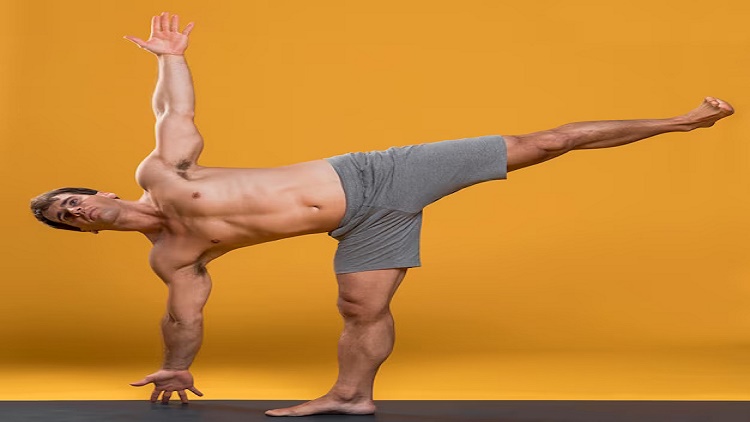
Standing Cross Body Crunches are a dynamic standing abs exercise that engages both the oblique muscles and the rectus abdominis, giving your core a thorough workout. To do this exercise, simply bring your knee towards the opposite elbow in a controlled and deliberate manner.
How to Perform:
- Stand with your feet shoulder-width apart and your hands gently placed behind your head, elbows out to the sides.
- Lift your right knee towards your chest while simultaneously bringing your left elbow down to meet it, aiming to touch or get as close as comfortably possible.
- Engage your oblique muscles as you perform this twisting and crunching motion.
- Return to the starting position and switch to the opposite side, lifting your left knee and bringing your right elbow towards it.
Tips:
- To perform the exercise correctly, keep your movements controlled and deliberate.
- Additionally, focus on engaging your core and obliques throughout the movement.
- Maintain an upright posture and avoid any excessive leaning or hunching of the upper body.
- Finally, remember to breathe rhythmically, which will help maintain a steady pace and assist with muscle engagement.
Benefits — Core Strength and Stability Exercises:
Standing Cross Body Crunches effectively target the oblique muscles, rectus abdominis, and transverse abdominis. This exercise provides a well-rounded core workout while also enhancing coordination and balance.
Variations: To intensify this exercise, you can incorporate a deeper twist at the top of the movement, bringing your elbow closer towards your knee. Additionally, holding a light dumbbell or adding resistance can further challenge your core and obliques.
Precautions: Individuals with lower back issues should approach this exercise with caution. It’s crucial to maintain proper form and avoid any excessive twisting or arching of the back.
Incorporating Standing Cross Body Crunches into your fitness routine is a dynamic way to target your core and oblique muscles while simultaneously improving coordination and balance. This exercise is accessible to individuals of various fitness levels and can be modified to suit individual needs and preferences.
17. Standing Stability Ball Rollouts
Description — Core Strength and Stability Exercises
Standing Stability Ball Rollouts are a fun exercise for your abs. You use a big ball and roll it out slowly while standing, which makes your tummy muscles work hard to stay balanced and strong.
How to Perform:
- Stand with your feet shoulder-width apart and hold a stability ball in front of you with both hands.
- Engage your core and slowly roll the ball out in front of you, extending your arms while maintaining control.
- Keep your body in a straight line from head to heels throughout the movement.
- Once you’ve reached a comfortable range of motion, slowly roll the ball back towards you.
Tips:
- Maintain a steady and controlled pace, ensuring a focus on engaging your core muscles throughout.
- Avoid arching or rounding your back; aim to keep your body in a straight line from head to heels.
- Remember to breathe steadily and rhythmically, which helps maintain control and focus during the exercise.
Benefits
Standing Stability Ball Rollouts effectively engage the entire core, including the rectus abdominis, obliques, and transverse abdominis. This exercise also improves overall core stability and strengthens the stabilizing muscles of the shoulders and back.
Variations: To increase the intensity of this exercise, you can perform the rollouts on an unstable surface, such as a balance pad or BOSU ball. Additionally, adjusting the distance you roll the ball out can provide different levels of challenge.
Precautions: Individuals with lower back issues or insufficient core strength should approach this exercise with caution. Additionally, it’s essential to start with a small range of motion and gradually progress as strength and stability improve.
Incorporating Standing Stability Ball Rollouts into your fitness routine is an effective way to target the core and improve overall core stability. This exercise is accessible to individuals of various fitness levels and can be modified to suit individual needs and preferences.
Overview — Core Strength and Stability Exercises
Incorporating these 17 standing abs exercises into your fitness routine can revolutionize your core training regimen. Whether you’re a seasoned gym-goer or just beginning your fitness journey, these exercises cater to all levels of expertise. Remember, consistency is key, so make sure to integrate these exercises into your routine and watch as your core strength and stability reach new heights. Elevate your fitness game and experience the transformative power of standing abs exercises today. Your core will thank you.
References:
- McGill, S. M., & Karpowicz, A. (2009). Exercises for spine stabilization: motion/motor patterns, stability progressions, and clinical technique. Archives of Physical Medicine and Rehabilitation, 90(1), 118-126.
- Page, P., Frank, C. C., & Lardner, R. (2010). Assessment and treatment of muscle imbalance: the Janda approach. Human Kinetics.
- Willardson, J. M. (2007). Core stability training: applications to sports conditioning programs. Journal of Strength and Conditioning Research, 21(3), 979-985.
- Clark, M., Lucett, S., & Sutton, B. (2012). NASM essentials of corrective exercise training. Lippincott Williams & Wilkins.
- Featured image @Unsplash, freepik, pexels (com)
- Featured stream @Youtube, freepik, pexels (com)